

Your image description

Blogs

Invoice Exception Management

Invoice Exception Management: Common Issues and How AP Teams Can Resolve Them

November 10 2026
Accounts Payable

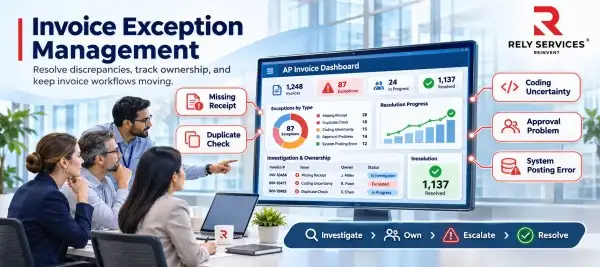
Invoice exception management is the process of identifying, investigating, resolving, and documenting issues that prevent supplier invoices from moving through the normal accounts payable (AP) workflow. Common exceptions include missing invoice information, purchase order mismatches, incorrect pricing, duplicate submissions, and failed accounting system postings. These issues can delay invoice approvals, create additional work for AP […]

Read more
Invoice Processing Workflow

What Is Invoice Processing? A Step-by-Step Guide for AP Teams

November 10 2026
Invoice Processing

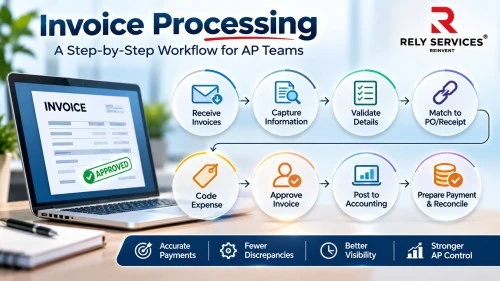
Invoice processing is the process of receiving, reviewing, verifying, approving, and recording supplier invoices before they are prepared for payment. It helps accounts payable (AP) teams confirm that each invoice contains accurate information, matches the relevant purchase or service records, and has the required authorization. A well-defined invoice processing workflow helps businesses manage supplier payments, […]

Read more
OCR Errors - Common Issues and Fixes

Common OCR Errors and How Businesses Can Reduce Them

November 02 2026
Document Digitization

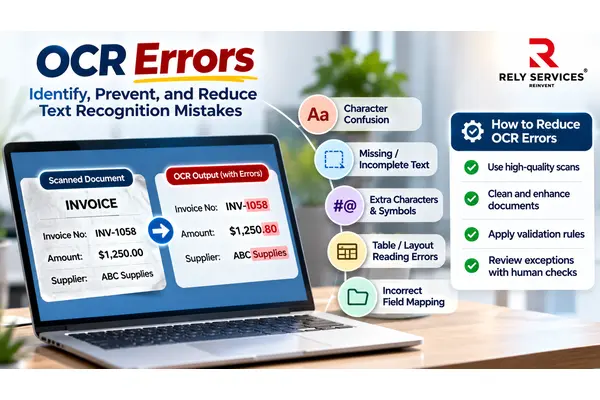
Businesses process large volumes of documents every day, including invoices, purchase orders, insurance claims, medical records, application forms, and financial statements. Optical Character Recognition (OCR) helps convert text from scanned documents and images into machine-readable information. This reduces the need for manual data entry and makes business records easier to search and process. However, OCR […]

Read more
OCR and ICR document capture

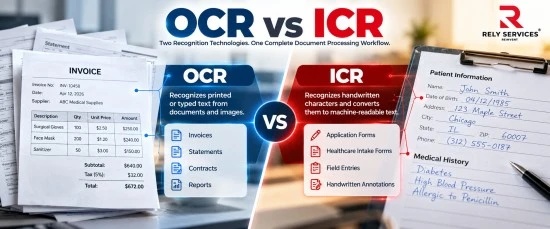
OCR vs ICR: Understanding the Difference in Document Processing

October 30 2026
Document Digitization

Businesses receive documents in many forms, from neatly printed invoices to handwritten applications and forms containing both. Understanding OCR vs ICR helps organizations choose an appropriate way to capture information from these different document types. An insurance application may have printed questions and handwritten answers. A delivery receipt may combine typed shipment details with handwritten […]

Read more
OCR text recognition process

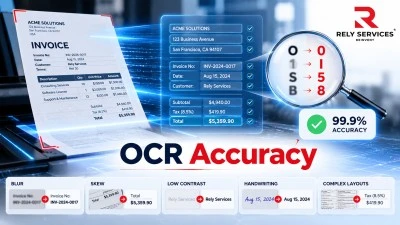
OCR Accuracy: Common Factors That Affect Text Recognition and How to Improve It

October 30 2026
Document Digitization

Businesses process large volumes of documents every day, including invoices, application forms, insurance claims, medical records, contracts, and customer files. Many of these documents contain information that must be captured and transferred into business systems. Optical Character Recognition (OCR) helps automate this work by converting text in scanned documents and images into machine-readable information. However, […]

Read more
Healthcare Data Standardization guide

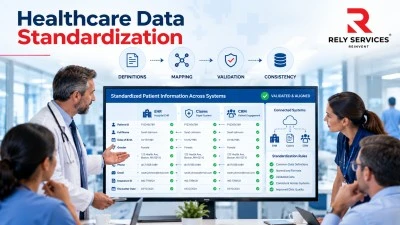
Healthcare Data Standardization: Keep Patient Information Consistent Across Systems

October 26 2026
Data Entry

Healthcare data standardization gives teams a shared way to represent patient information across systems. It addresses differences in field definitions, formats, units, identifiers, and terminology so information can be interpreted consistently after it moves. For healthcare administrators, the practical goal is straightforward: make the same information mean the same thing wherever an authorized team uses […]

Read more
Insurance BPA

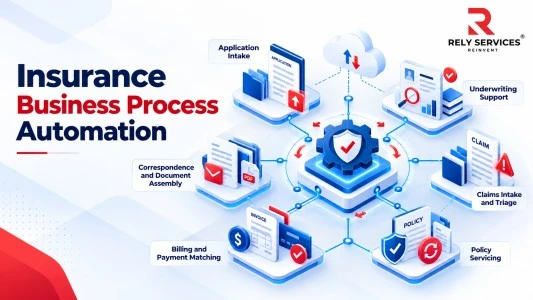
Insurance Business Process Automation: Key Areas Insurers Can Automate

October 22 2026
Insurance

Insurance business process automation uses software and defined rules to perform repeatable operational tasks, move work between systems, and route exceptions for review. For US insurers, useful opportunities often sit inside familiar processes: collecting application information, organizing claims submissions, preparing policy changes, and reconciling payments. Insurers reviewing their operational workflows can explore insurance BPO services […]

Read more
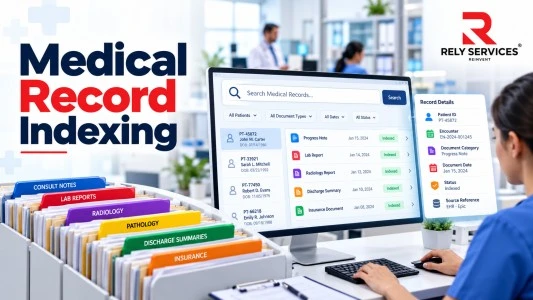
Medical Record Indexing best practices

Medical Record Indexing: Manage Large Volumes of Patient Records Efficiently

October 22 2026
Back-Office Services

Medical record indexing assigns structured descriptors to healthcare documents so authorized users can locate and distinguish the records they need. A useful index connects each document with the appropriate patient, encounter where applicable, document category, and other approved retrieval fields. When record volumes grow, inconsistent indexing turns routine retrieval into an investigation. Staff may see […]

Read more